Can damaged insulated tools still be used?
No — damaged insulated tools should never be used in energized electrical or EV battery environments.
The insulation coating on a 1000V insulated tool is a critical safety barrier designed to help protect the user from electrical shock and accidental short circuits. If that insulation becomes damaged, cracked, cut, burned, swollen, loose, or excessively worn, the tool may no longer provide its rated protection.
Even minor insulation damage can expose conductive metal underneath the protective coating. In high-voltage environments such as EV battery systems, industrial electrical panels, or energized equipment, this can create a serious risk of:
- Electrical shock
- Arc flash events
- Short circuits
- Battery damage
- Severe injury or death
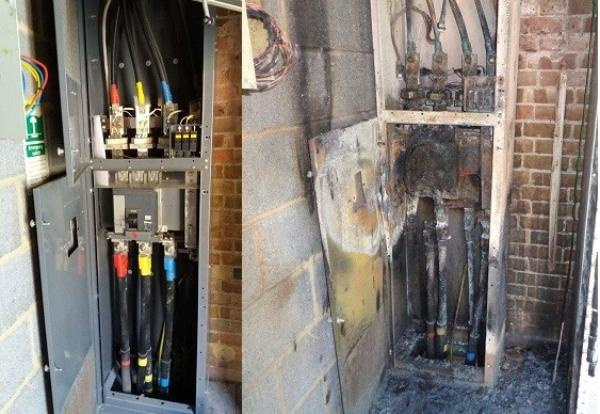
Insulated tools should be inspected before every use. A tool should be removed from service immediately if you notice:
- Cracks or splits in the insulation
- Cuts, punctures, or abrasions
- Burn marks or melted areas
- Exposed metal beneath the insulation
- Loose or slipping insulation
- Chemical damage or swelling
- Missing insulation layers
- Excessive wear from heavy use
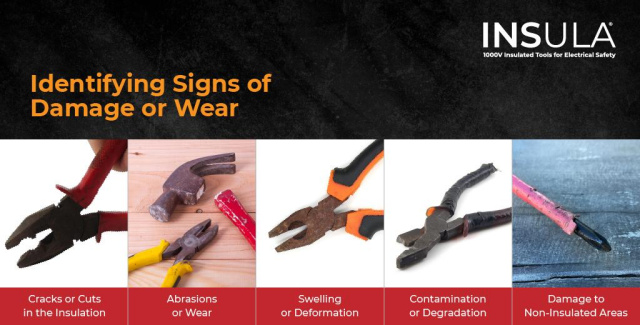
Many professional safety standards, including IEC 60900 and OSHA electrical safety practices, recommend routine inspection and replacement of damaged insulated tools to maintain safe working conditions.
It is also important to store insulated tools properly. Exposure to excessive heat, chemicals, UV light, oils, or improper storage conditions can degrade insulation over time.
When working around energized systems, a damaged insulated tool should never be “good enough.” If there is any doubt about the condition of the insulation, the safest action is to replace the tool immediately.
Can insulated tools prevent Arc Flash?
Insulated tools can help reduce the risk of an arc flash, but they cannot completely prevent one on their own.
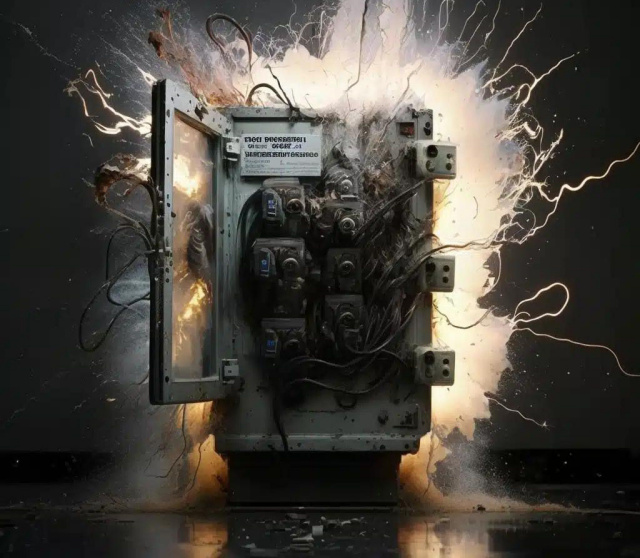
An arc flash occurs when electrical current unexpectedly travels through the air between energized conductors or grounded surfaces, creating an explosive release of heat, light, pressure, and molten metal. In high-voltage environments such as EV battery systems, switchgear, industrial panels, and energized electrical equipment, even a small accidental short circuit can trigger a dangerous arc flash event.
Properly rated 1000V insulated tools help reduce this risk by:
- Providing a protective insulation barrier around conductive metal surfaces
- Reducing the chance of accidental contact between energized components
- Minimizing the possibility of phase-to-phase or phase-to-ground short circuits
- Helping technicians work more safely in confined electrical spaces
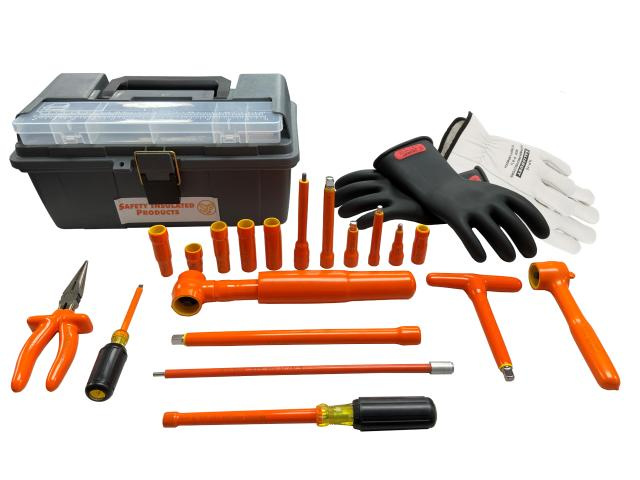
However, insulated tools are only one part of an overall arc flash protection strategy. Arc flash incidents can still occur if:
- Incorrect procedures are followed
- Energized parts are accidentally bridged
- Tools are damaged or improperly used
- PPE is inadequate
- Equipment fails internally
To properly protect against arc flash hazards, technicians should also follow:
- NFPA 70E electrical safety practices
- OSHA safety requirements
- Proper lockout/tagout procedures
- Voltage verification procedures
- Arc-rated PPE requirements
- Manufacturer service procedures
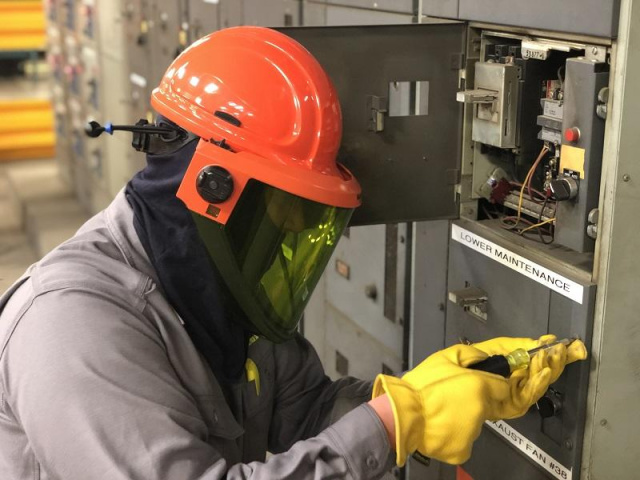
Insulated tools should always be inspected before use. Damaged insulation can compromise safety and increase the likelihood of electrical incidents.
In short, insulated tools are an important safety layer that can significantly reduce arc flash risk, but they should always be used alongside proper PPE, training, and safe energized work procedures.
How should insulated tools be stored?
Insulated tools should be stored in a clean, dry, and protected environment to help maintain the integrity of their insulation and ensure long-term electrical safety performance.
Proper storage is important because the insulation layer on 1000V tools can degrade over time if exposed to harsh conditions such as excessive heat, moisture, chemicals, oils, UV light, or physical damage.
To properly store insulated tools:
- Keep tools in a clean, dry toolbox, cabinet, or protective case
- Avoid direct sunlight and prolonged UV exposure
- Protect tools from extreme temperatures and humidity
- Keep them away from oils, solvents, fuels, acids, and harsh chemicals
- Prevent tools from being crushed, bent, or stacked in ways that damage insulation
- Separate insulated tools from sharp metal objects that could cut or puncture the insulation
- Store tools in an organized manner to reduce wear and accidental damage
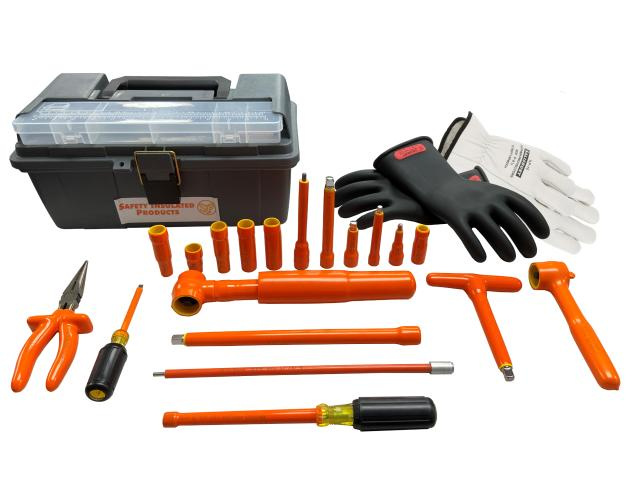
Many professionals use dedicated insulated tool bags, foam-lined toolboxes, or shadow boards to help protect tools and quickly identify missing or damaged equipment.
Before each use, insulated tools should always be visually inspected for:
- Cracks
- Cuts
- Abrasions
- Burn marks
- Swelling
- Exposed metal
- Loose insulation
If any damage is found, the tool should be removed from service immediately.
Proper storage not only extends the lifespan of insulated tools but also helps ensure they continue to provide the protection required for EV service, industrial electrical work, utility maintenance, and other high-voltage applications.
|